• Home
  • Think Sharper
  • The Second Myth
  • Tech in Plain English
  • Free Tools
  • About
  • Newsletter
  • Menu Menu
Allen Stafford — Think Sharper
  • Link to LinkedIn
  • Link to Instagram
  • Link to Facebook
  • Link to Youtube
Misinformation vs Disinformation Overview

Understanding Misinformation vs Disinformation: Meaning, Differences, and Impact

In today’s information-saturated digital landscape, distinguishing between trustworthy sources and deceptive ones is crucial. With the explosion of content shared online daily, discerning facts from falsehoods can feel like navigating a minefield. This blog post aims to break down the concepts of misinformation and disinformation, highlight their differences, and elucidate their significance in our daily lives.

The Perpetual Dilemma: Fact or Fiction?

Have you ever encountered a headline or an online post that made you question its authenticity? Perhaps it was something unexpected or shocking that prompted a double-take. In our current era, filled with an incessant influx of information, discerning the truth can be challenging. Whether through social media, news feeds, or casual conversations, we’re constantly bombarded with diverse thoughts, beliefs, and ideas. Amidst this information deluge, the burning question remains: how do we differentiate what’s accurate from what’s misleading?

What’s at Stake? The Importance of Understanding Information Accuracy

Recognizing the distinction between misinformation and disinformation is pivotal. These terms have become commonplace in discussions about the accuracy of information, especially in the context of recent political climates. Although they sound similar, their differences lie in the intentions behind the information. Understanding their nuances empowers us to navigate the digital world more confidently and responsibly.

Misinformation: Honest Mistakes

Definition and Characteristics

Misinformation refers to false or inaccurate information shared without any intent to deceive. Individuals who spread misinformation usually believe the information is true. This can happen due to mistakes, misunderstandings, or sharing outdated facts.

Examples of Misinformation

One common example is the misattribution of quotes. Consider the widely circulated quote, “The definition of insanity is doing the same thing over and over again and expecting different results,” often attributed to Albert Einstein. Despite its frequent citation, there is no evidence Einstein ever said this. The genuine definition of insanity is far more complex and legally defined. The perpetuation of such quotes exemplifies how misinformation spreads, without any malicious intent, simply due to lack of verification.

Disinformation: Deliberate Deception

Definition and Characteristics

In contrast, disinformation is intentionally false information created to deceive or manipulate. The creators of disinformation knowingly fabricate content to mislead people, often to promote certain agendas or sway public opinion.

Examples of Disinformation

An illustrative case of disinformation could be a fabricated news article aimed at influencing political opinions or actions. The creators are well aware of its falsity but hope to manipulate the reader’s beliefs or decisions. This deliberate spread of false information highlights the deceptive nature of disinformation, which bears significant consequences given its intentionality.

Why Distinguishing Between the Two Matters

Personal Level Impact

Understanding whether information is misinformation or disinformation equips us to make more informed decisions about what we consume and share online. It helps us to pause, verify, and ultimately diminish the spread of false claims. This mindfulness is not merely about preventing the embarrassment of being wrong but about fostering a culture of truth.

Societal Level Impact

On a broader scale, unchecked misinformation and disinformation can profoundly affect society. They have the potential to shape public opinion, influence elections, and exacerbate divisions within communities. When misinformation spreads, it erodes trust in reliable sources and can lead to real-world conflicts and misunderstandings.

Confronting the Issue: Moving Forward

With the fundamentals of misinformation and disinformation clarified, the next logical step involves recognizing the various forms false information can take. From satire misinterpreted as truth to entirely fabricated stories, these different formats use unique methods to distort reality.

Join the Fight Against Misinformation

By understanding these distinctions, we are better positioned to combat misinformation and disinformation actively. In subsequent discussions, we will delve deeper into the seven types of problematic content to enhance our ability to sift through the noise and spot falsehoods in our information feeds.

Conclusion

As we continue to explore the depths of misinformation and disinformation, it’s essential to remain vigilant and proactive in our engagement with information. By doing so, we contribute to a more informed, discerning, and ultimately, truthful society. Stay tuned for more insights and pragmatic tools to navigate the complexities of our information-rich world. If you found this post helpful, remember to subscribe and turn on notifications for future updates.

Together, let’s build a foundation of truth in the digital age.

Video Transcript

Allen Stafford [00:00:00]:
Let me ask you something. Have you ever come across, and I’m sure you have, but a headline or a post online that made you stop and think, wait, is that actually true? And maybe it was something shocking or just really unexpected and it made you wonder if it was the real deal. And I think we’ve all been there, right? At some point in our lives, especially given the last several months in politics. You see, these days, we’re constantly inundated with in information everywhere, wherever you look, there’s social media, there’s your news feeds. There’s even casual conversations where people are interjecting their thoughts, their beliefs, their ideas. There’s always something new, right? Something bold. But here’s the real question I have. How do we know what’s accurate and what isn’t? Well, that’s exactly what this series is all about.

Allen Stafford [00:00:50]:
I want to welcome you to understanding misinformation versus disinformation and how to spot the difference. So in this series, we’ll explore what makes information trustworthy. I’ll also give you some tools that help you recognize misinformation and disinformation in your everyday life. I’ve also included links to a worksheet in each video description for anyone who wants to dig deeper into this topic. So stick with me and by the end of this series, you’ll have what you need. Cut through the noise and see things a bit more clearly. All right, let’s get started by talking about two words you’ve probably heard before and I just mentioned them, misinformation and disinformation. Now, these terms come up a lot whenever people discuss the accuracy of information.

Allen Stafford [00:01:39]:
And we hear this always on the news, especially when it comes to the political climate we just experienced. And we’ll continue to hear this. And they sound familiar, right? But understanding their difference is really what’s important. Misinformation and disinformation each have different intentions behind them. And knowing which is which, well, that’s the key to figuring out what’s really going on with the information we come across every single day. And when we know the difference, we’re not only better informed, but also less likely to pass along false information ourselves. If we’re all a bit more mindful, we can actually help cut down on the spread of things that just, well, aren’t true. Plus, with this knowledge, we can navigate the digital world more confidently.

Allen Stafford [00:02:20]:
Instead of feeling overwhelmed or misled by headlines, we can pause, analyze, and start to tell what’s real from what’s just noise. And that’s a Pretty powerful skill these days. So the question is, what exactly is the difference between misinformation and disinformation? Let’s start with misinformation. Misinformation is false or inaccurate information that’s shared without any intent to deceive. In other words, when someone shares misinformation, they usually believe it’s true themselves. And you know, people like this, I mean, it could be a mistake, a misunderstanding, or even something that was once true but has become outdated. For example, someone might post an old statistic about the economy or share a quote they think came from a famous person. For example, the quote, the definition of insanity is doing the same thing over and over again and expecting different results, is often attributed to, well, Albert Einstein.

Allen Stafford [00:03:19]:
Still, there is no evidence of him ever saying that. And the statement is likely attributed to a few different sources. In fact, the actual definition of insanity is having unsoundness of mind or lack of the ability to understand that prevents one from having the mental capacity required by law to enter into a particular relationship, status or transaction. That’s a mouthful, but it’s definitely not what allegedly Einstein said that he didn’t say. So neither the source, Albert Einstein, nor the often quoted statement is accurate. Yet people still use the quote as the definition of insanity and attribute it to Albert Albert Einstein. You see, they’re not trying to mislead anyone. They just didn’t double check.

Allen Stafford [00:03:59]:
And we’ve all probably done something like this at some point. I mean, I can say I’m guilty of that too. Now, disinformation is a bit different. Disinformation is deliberately false information created specifically to deceive or manipulate. This kind of content is intentionally spread with the goal of misleading people, often to push a particular agenda or influence opinions. And I think we all know and been exposed to that recently. So for existence, let me give you an example. Imagine a fake news article designed to sway public opinion on a political issue.

Allen Stafford [00:04:33]:
Who would have thought the person or group behind it knows it’s false, but they hope it will convince people to believe or act well, in a certain way, in their way. So while misinformation usually happens by accident, disinformation is spread on purpose. Knowing this difference helps us be more mindful about the content we interact with and what we share. So now you might be wondering why it even matters. If we can tell the difference between misinformation and disinformation, isn’t it all bad? I mean, how does it actually really affect us on a personal level? Being aware protects us from being misled, it helps us make better decisions about what we read, believe, and share online. When we can spot misinformation or disinformation, we’re less likely to fall for false claims or accidentally spread them ourselves. But it goes beyond just us. On a larger scale, misinformation and disinformation can greatly impact society.

Allen Stafford [00:05:27]:
Think about it. False information can shape public opinion, influence elections, and even lead to real world consequences. When misinformation spreads unchecked, it can divide communities and erode trust in sources that should be reliable. We’ve all seen how misinformation could lead to confusion, misunderstandings, and sometimes even conflict. That’s why recognizing it is very essential. Okay, now that we’ve covered the basics of misinformation and disinformation, let’s take it a step further. The next video will explore the seven types of problematic content. These are the different ways false or misleading information can appear in our feeds.

Allen Stafford [00:06:08]:
From satire that’s taken too seriously to completely fabricated stories, each of these types has a unique way of playing with the truth, and understanding them can make us a whole lot more savvy online. So if you’re ready to level up your information skills, make sure to join me in the following video. And hey, if you’re finding this helpful, don’t forget to subscribe and hit the notification bell so you don’t miss it. I’ll see you in the next video.

Lessons Learned
  1. Understanding Information Accuracy
    Introduction to the importance of distinguishing accurate information from false information.
  2. Misinformation Explained
    Detailed definition and examples of misinformation, emphasizing unintentional inaccuracies.
  3. Disinformation Demystified
    Explanation of disinformation, focusing on intentional spread of false information to deceive.
  4. Importance of Truthfulness
    Discussion on the significance of recognizing truthful information in daily interactions.
  5. Avoiding Misinformation Spread
    Strategies to prevent unintentional sharing of misinformation.
  6. Spotting Disinformation Techniques
    Tools and techniques to identify and resist disinformation efforts.
  7. Real-Life Examples
    Analyzing real-world cases of misinformation and disinformation impacts.
  8. Impact on Society
    Examination of how false information affects public opinion, elections, and societal trust.
  9. Seven Problematic Content Types
    Identifying and understanding the seven different ways misinformation/disinformation can appear.
  10. Practical Skills for Navigating Information
    Tips for becoming more savvy and discerning online readers and information consumers.

Download Free Worksheet: Sharpen Your Skills to Identify Misinformation!
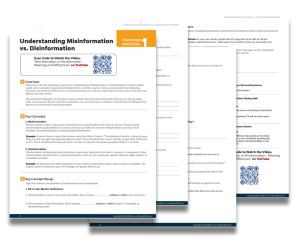
image of download worksheet thumbnail
Click Link to Download: [Download not found]

Our Latest YouTube Videos

[youtube-feed feed=1]

Categories

© Copyright - Allen Stafford • Think clearly. Stay sovereign.
  • Link to LinkedIn
  • Link to Instagram
  • Link to Facebook
  • Link to Youtube
  • About
  • Blog
  • Contact
  • Privacy Policy
  • Terms and Conditions
Link to: [Podcast Show Notes – EP1] What Are Limiting Beliefs? Link to: [Podcast Show Notes – EP1] What Are Limiting Beliefs? [Podcast Show Notes – EP1] What Are Limiting Beliefs?Podcast Thumbnail Breaking Barriers with Allen StaffordAllen Stafford Link to: [Podcast Show Notes – EP4] Understanding Reality: How Our Brains Shape Perception and Influence Decisions Link to: [Podcast Show Notes – EP4] Understanding Reality: How Our Brains Shape Perception and Influence Decisions Podcast Thumbnail Breaking Barriers with Allen StaffordAllen Stafford[Podcast Show Notes – EP4] Understanding Reality: How Our Brains Shape...
Scroll to top Scroll to top Scroll to top

This site uses cookies. By continuing to browse the site, you are agreeing to our use of cookies.

Accept settingsHide notification onlySettings

Cookie and Privacy Settings


How we use cookies

We may request cookies to be set on your device. We use cookies to let us know when you visit our websites, how you interact with us, to enrich your user experience, and to customize your relationship with our website.

Click on the different category headings to find out more. You can also change some of your preferences. Note that blocking some types of cookies may impact your experience on our websites and the services we are able to offer.

Essential Website Cookies

These cookies are strictly necessary to provide you with services available through our website and to use some of its features.

Because these cookies are strictly necessary to deliver the website, refusing them will have impact how our site functions. You always can block or delete cookies by changing your browser settings and force blocking all cookies on this website. But this will always prompt you to accept/refuse cookies when revisiting our site.

We fully respect if you want to refuse cookies but to avoid asking you again and again kindly allow us to store a cookie for that. You are free to opt out any time or opt in for other cookies to get a better experience. If you refuse cookies we will remove all set cookies in our domain.

We provide you with a list of stored cookies on your computer in our domain so you can check what we stored. Due to security reasons we are not able to show or modify cookies from other domains. You can check these in your browser security settings.

Other external services

We also use different external services like Google Webfonts, Google Maps, and external Video providers. Since these providers may collect personal data like your IP address we allow you to block them here. Please be aware that this might heavily reduce the functionality and appearance of our site. Changes will take effect once you reload the page.

Google Webfont Settings:

Google Map Settings:

Google reCaptcha Settings:

Vimeo and Youtube video embeds:

Accept settingsHide notification only