
Understanding Misinformation vs Disinformation: Meaning, Differences, and Impact
In today’s information-saturated digital landscape, distinguishing between trustworthy sources and deceptive ones is crucial. With the explosion of content shared online daily, discerning facts from falsehoods can feel like navigating a minefield. This blog post aims to break down the concepts of misinformation and disinformation, highlight their differences, and elucidate their significance in our daily lives.
The Perpetual Dilemma: Fact or Fiction?
Have you ever encountered a headline or an online post that made you question its authenticity? Perhaps it was something unexpected or shocking that prompted a double-take. In our current era, filled with an incessant influx of information, discerning the truth can be challenging. Whether through social media, news feeds, or casual conversations, we’re constantly bombarded with diverse thoughts, beliefs, and ideas. Amidst this information deluge, the burning question remains: how do we differentiate what’s accurate from what’s misleading?
What’s at Stake? The Importance of Understanding Information Accuracy
Recognizing the distinction between misinformation and disinformation is pivotal. These terms have become commonplace in discussions about the accuracy of information, especially in the context of recent political climates. Although they sound similar, their differences lie in the intentions behind the information. Understanding their nuances empowers us to navigate the digital world more confidently and responsibly.
Misinformation: Honest Mistakes
Definition and Characteristics
Misinformation refers to false or inaccurate information shared without any intent to deceive. Individuals who spread misinformation usually believe the information is true. This can happen due to mistakes, misunderstandings, or sharing outdated facts.
Examples of Misinformation
One common example is the misattribution of quotes. Consider the widely circulated quote, “The definition of insanity is doing the same thing over and over again and expecting different results,” often attributed to Albert Einstein. Despite its frequent citation, there is no evidence Einstein ever said this. The genuine definition of insanity is far more complex and legally defined. The perpetuation of such quotes exemplifies how misinformation spreads, without any malicious intent, simply due to lack of verification.
Disinformation: Deliberate Deception
Definition and Characteristics
In contrast, disinformation is intentionally false information created to deceive or manipulate. The creators of disinformation knowingly fabricate content to mislead people, often to promote certain agendas or sway public opinion.
Examples of Disinformation
An illustrative case of disinformation could be a fabricated news article aimed at influencing political opinions or actions. The creators are well aware of its falsity but hope to manipulate the reader’s beliefs or decisions. This deliberate spread of false information highlights the deceptive nature of disinformation, which bears significant consequences given its intentionality.
Why Distinguishing Between the Two Matters
Personal Level Impact
Understanding whether information is misinformation or disinformation equips us to make more informed decisions about what we consume and share online. It helps us to pause, verify, and ultimately diminish the spread of false claims. This mindfulness is not merely about preventing the embarrassment of being wrong but about fostering a culture of truth.
Societal Level Impact
On a broader scale, unchecked misinformation and disinformation can profoundly affect society. They have the potential to shape public opinion, influence elections, and exacerbate divisions within communities. When misinformation spreads, it erodes trust in reliable sources and can lead to real-world conflicts and misunderstandings.
Confronting the Issue: Moving Forward
With the fundamentals of misinformation and disinformation clarified, the next logical step involves recognizing the various forms false information can take. From satire misinterpreted as truth to entirely fabricated stories, these different formats use unique methods to distort reality.
Join the Fight Against Misinformation
By understanding these distinctions, we are better positioned to combat misinformation and disinformation actively. In subsequent discussions, we will delve deeper into the seven types of problematic content to enhance our ability to sift through the noise and spot falsehoods in our information feeds.
Conclusion
As we continue to explore the depths of misinformation and disinformation, it’s essential to remain vigilant and proactive in our engagement with information. By doing so, we contribute to a more informed, discerning, and ultimately, truthful society. Stay tuned for more insights and pragmatic tools to navigate the complexities of our information-rich world. If you found this post helpful, remember to subscribe and turn on notifications for future updates.
Together, let’s build a foundation of truth in the digital age.
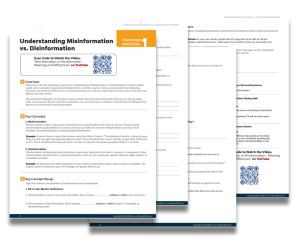
Download Free Worksheet: Sharpen Your Skills to Identify Misinformation!
 Allen Stafford